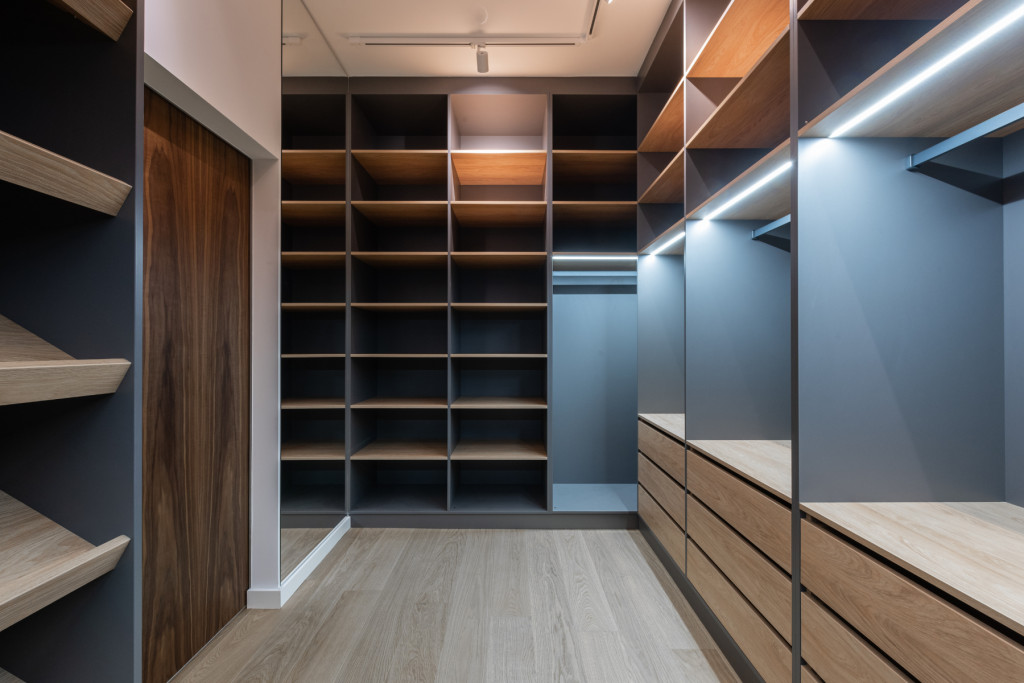
When investing in custom wardrobe design, the material you choose determines how long it will last, how it will perform in Nigeria’s climate, and how well it will serve your daily lifestyle. In a market filled with surface-level beauty, the real value lies beneath the finish.
This guide will help you choose wardrobe materials that combine durability, beauty, and practicality. If you’re planning a home in Lagos, Abuja, Enugu, or anywhere across Nigeria, this breakdown will help you make an informed decision.
Why Choosing the Right Wardrobe Material Matters
Wardrobes in Nigerian homes deal with specific challenges which include high humidity, inconsistent power supply (affecting ventilation), and in many cases, termites. Materials that look good at first may warp, swell, or fail under daily use if the core structure is weak.
Working with DEP Projects and Interiors, we recommend wardrobe materials that meet both lifestyle and environmental demands. These include high-performance boards, proper internal finishing, and climate-aware detailing.
Best Wardrobe Materials in Nigeria: What We Recommend
- High-Density Fiberboard (HDF)
HDF is one of the most recommended materials for wardrobes in Nigerian homes. It offers a smooth, firm surface that supports various finishes like acrylic, laminate, or matte spray. It is denser and more durable than MDF.
Why we use it:
- Strong and stable
- Accepts screws and hardware well
- Clean, modern surface for painted or laminated finishes
Ideal for:
- Fitted wardrobes
- sliding doors
- walk-in closets in dry or semi-humid areas
- Marine Plywood
For homes in high-humidity areas like Lagos Island, Port Harcourt, or anywhere near water, marine plywood is a smart and safe option. It’s treated to resist moisture and pests.
Why we use it:
- Moisture resistant
- Long-lasting in tropical climates
- Performs well under heavy wardrobe fittings
Ideal for:
- Built-in wardrobes near bathrooms or kitchens.
- Solid Hardwood (Iroko, Mahogany, Teak)
If you’re building a luxury home or want furniture that lasts generations, solid wood remains unmatched. We mostly work with hardwoods like Iroko and Mahogany, known for their strength and natural resistance to insects.
Why we use it:
- Strong and durable
- Naturally termite resistant
- Offers timeless beauty
Ideal for:
- Heritage homes,
- luxury closets,
- high-end personal spaces
Note: best wood for wardrobe in Nigeria often leads to hardwoods. These come at a higher price but offer unmatched longevity.
- Melamine-Faced Chipboard (MFC)
Melamine boards are commonly used for entry-level wardrobes. They are cost-effective and pre-laminated. While they’re not the strongest, they work for low-traffic areas or rental properties.
Why we use it (with caution):
- Budget-friendly
- Comes in various colours and textures
- Easy to install
Ideal for:
- Guest rooms
- short-term apartments
- low-use storage
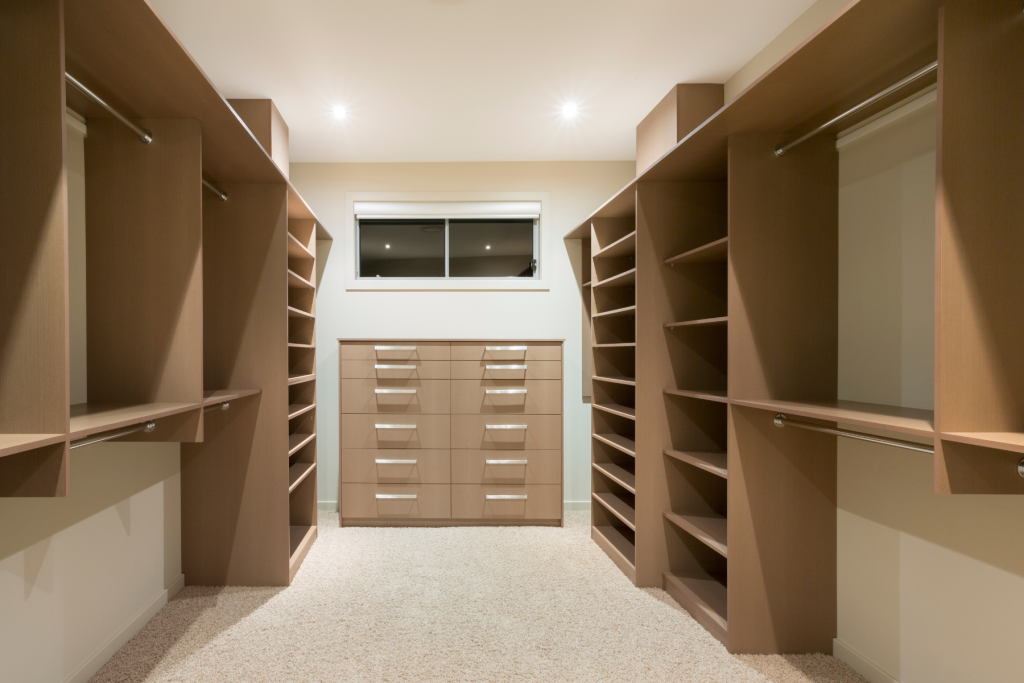
Internal Components Matter
Beyond the external boards, your wardrobe’s long-term quality depends on the internal structure.
Back panels: We avoid softboard or cardboard. We use moisture-resistant MDF or plywood.
Drawer channels and runners: Only soft-close and rust-resistant systems.
Hinges: We use stainless steel or zinc-coated hinges for longevity.
These details improve user experience and reduce future maintenance.
How to Protect Wardrobes in Nigerian Homes
Most wardrobe complaints we receive—swollen doors, loose hinges, cracked surfaces—are due to moisture or pests. Here’s how we protect against those:
- Termite-Resistant Boards
We prefer using marine plywood or Iroko wood, both of which resist termites naturally. For clients in risk-prone areas, we add anti-termite treatments during installation.
- Moisture Control
We recommend:
- Leaving air space between the wardrobe and the wall
- Proper sealing of all joints and edges
- Materials that perform well even when exposed to Lagos humidity
Best Finishing Materials for Wardrobes
A strong wardrobe deserves a finish that protects and elevates the look. Our recommendations:
Matte Laminate: Low maintenance, hides marks, long-lasting
Acrylic Panels: High gloss, rich tone, best for modern wardrobes
Textured Boards: Bring warmth, grip, and depth
Natural Veneers: Ideal for clients who appreciate real wood character
Avoid exposed paint on low-quality MDF, especially in moist environments. It won’t last.
Wardrobe Maintenance Tips for Nigerian Homes
To make your investment last longer, follow these simple habits:
- Wipe down surfaces weekly using a soft cloth
- Keep wardrobe interiors dry and dust-free
- Inspect hinges every six months
- Avoid direct contact with wet items
Clients who follow this routine often enjoy 10+ years of stress-free use.
What We Recommend at DEP Projects and Interiors
Every home is different, and so is every wardrobe. For dry zones like Abuja or Jos, HDF is a strong option. For coastal regions or humid cities, marine plywood is a safer long-term choice.
In walk-in closets or premium bedrooms, solid wood paired with a soft-close system gives a beautiful, lasting result. If you’re working with a tighter budget, we’ll help you combine cost-effective materials without sacrificing quality.
Choose Right, Live Easy
When building a wardrobe that fits your life and lasts for years, start with the material. Everything else finishing, fittings, function builds on that decision.
As a homeowner in Nigeria, don’t settle for what looks good on the outside. Work with professionals who understand how local conditions affect interior materials. That’s the difference between a wardrobe that simply exists and one that serves you well for a long time.
Want a wardrobe that reflects your taste and stands the test of time?
Contact DEP Projects and Interiors today to book a consultation.